
A message from our Chair
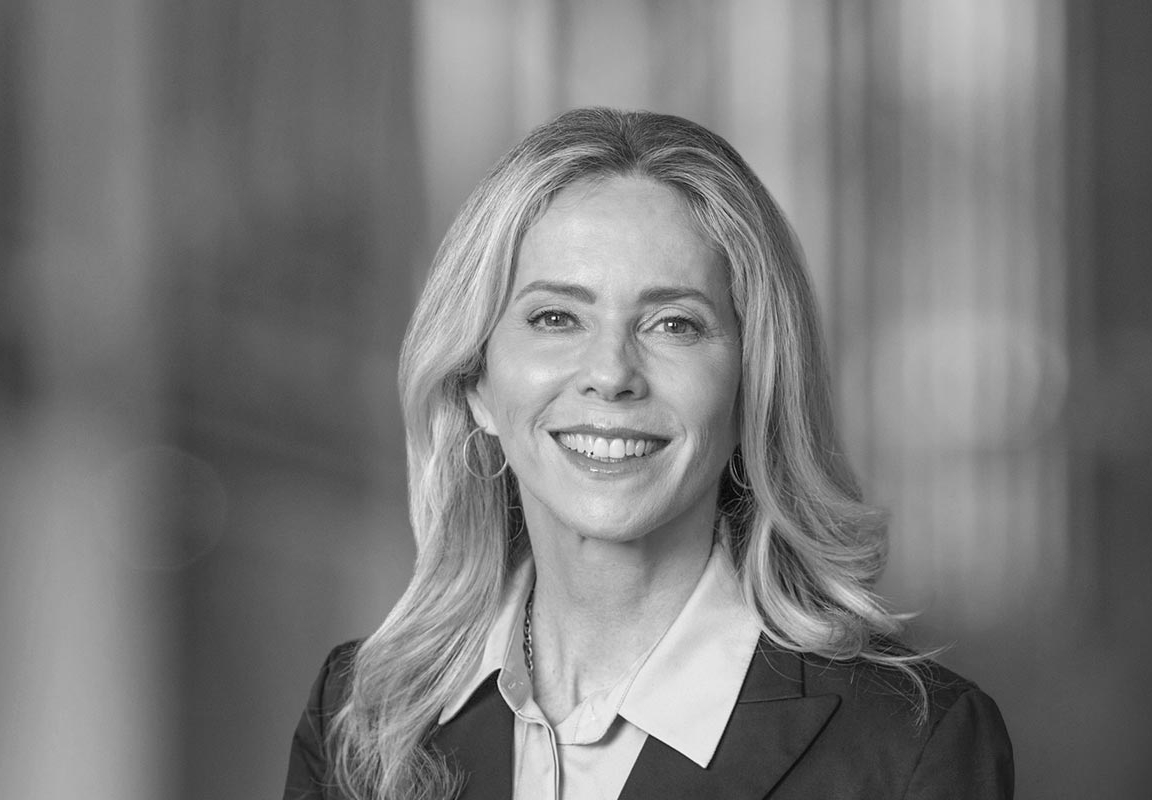
Chair|New York
Chair
Each year, as we reflect on White & Case’s role in an ever-changing world, we reaffirm our sustained commitment to responsible business — one that inspires and challenges us to look beyond ourselves and invest in the potential of others. At the heart of this commitment is our belief that the most meaningful progress is achieved through collaboration and shared action.
That spirit of collaboration was especially evident in 2025 as we concluded our two-year Elevate campaign, an initiative that mobilized our Firmwide resources to empower young people and expand their access to education and employment. Every office contributed to this effort, supporting more than 300 programs worldwide and showing what we can achieve together.
Beyond Elevate, we continued our work on core focus areas of our responsible business commitment: upholding the rule of law, advancing access to justice and serving those most in need. Working alongside our clients, NGOs and community partners, we addressed complex challenges across regions and legal systems — from peacebuilding in Ukraine to sentencing reform in the United States, and strengthening legal education in Southeast Asia.
The stories in this review demonstrate what we can achieve when we align our values with action. They reflect the dedication of our people, the trust of our partners and our shared belief that, by collaborating for impact, we can help build a more just future.
All my best,
2025 by the numbers
102,000pro bono hours
400+organizations financially supported
6,000+students supported through our legal education programs
166,000+ meals provided through food security initiatives
Community investment
Our people support their communities through volunteering and charitable giving, driving meaningful impact across a wide range of causes

Elevating youth
Our two-year Elevate campaign united the Firm around youth education, empowerment and employability
Rule of law
As part of our ongoing peace and security work with the Public International Law & Policy Group (PILPG), a number of our matters in 2025 focused on Ukraine

© GettyImages
More highlights of our work with PILPG in Ukraine
We advised on possible legal frameworks to support peace efforts in Ukraine, including mediation structures and Black Sea maritime ceasefire arrangements.
Our team provided an analysis of international humanitarian law regarding the protection of merchant shipping and civilian vessels.
We provided guidance on the legal implications of third states supplying weapons to Russia, focusing on state responsibility and complicity in internationally wrongful acts.
Access to justice
Two impactful projects include innovative collaborations supporting migrants in Europe as they navigate complex legal systems and helping individuals seek fairer outcomes through sentencing reform
Scaling impact through collaboration
Law firms unite to address challenges for refugees and asylum seekers in Europe

© GettyImages
A second chance through a second sentence
Obtaining justice for individuals through sentencing reform in California

© Photo courtesy of the Three Strikes Project
Video highlight
Partner Perspectives: Partners John Reiss, Belinda Harvey and Dana Foster discuss the importance of our work with Stanford Law School’s Three Strikes Project
More highlights of our access to justice work
In collaboration with Chevron, we prepared estate-planning documents for US military veterans in Houston, Texas.
Over the past eight years, our lawyers in Australia have helped 240 low-income clients in managing and resolving building disputes with Justice Connect.
In a longstanding collaboration with University House Legal Advice Centre in London, we supported 35+ disability benefits appeals, with a success rate of more than 85 percent.
Protecting vulnerable populations
Highlights of our work include supporting advocacy and reform efforts for women in prison and reuniting a refugee father with his daughter

© GettyImages

© Mzello Hailelezghi
More highlights of our work protecting vulnerable populations
Our lawyers provide transformative legal results to low-income women and children in immigration, divorce and family court matters through our 20+ year collaboration with Her Justice in New York. We also sponsor our lawyers to work full-time with the nonprofit on four-month secondments.
Our lawyers spearheaded a landmark case in Hong Kong, which recognized severe domestic violence as a form of gender-based persecution and basis for asylum, setting a significant legal precedent.
As part of the World Bank’s Women, Business and Law project, lawyers from 12 offices provided essential input on the laws and policies that impact women’s economic opportunities and advance private-sector development in ten jurisdictions.
Educating future leaders
We profile the career journeys of two former World Champions shaped by the Jessup Moot Court Competition and highlight the impact of our work to strengthen advocacy for children
From pleadings to possibilities
Two stories of how the Jessup Moot Court Competition shapes careers and changes lives

© White & Case
Future advocates for children
Training the next generation of lawyers in Southeast Asia to protect children and bridge access to justice gaps

© BABSEACLE
Video highlight
Partners Jonathan Olier and Kaya Proudian, associate Stephanie Zhao and Wendy Morrish, co-founder and director BABSEACLE, discuss our partnership and the impact of legal education initiatives in Asia-Pacific
More highlights of our work educating future leaders
With PILnet and Tashkent State University of Law, we co-hosted the inaugural Central Asia Legal Ethics Training in Tashkent, Uzbekistan for law students from five countries.
Since 2012 and in collaboration with five clients, colleagues in London have delivered employability skills programs to help more than 700 under-resourced students access the legal profession.
Our lawyers delivered practical arbitration training for judges, lawyers and government officials in Bhutan, Kenya and Morocco.
Learn more
For more information about our commitment and activities, please visit our Responsible Business web pages:
Photo by © GettyImages
Rectangular objects suspended above come together to form a public art installation, while people gather below.
